
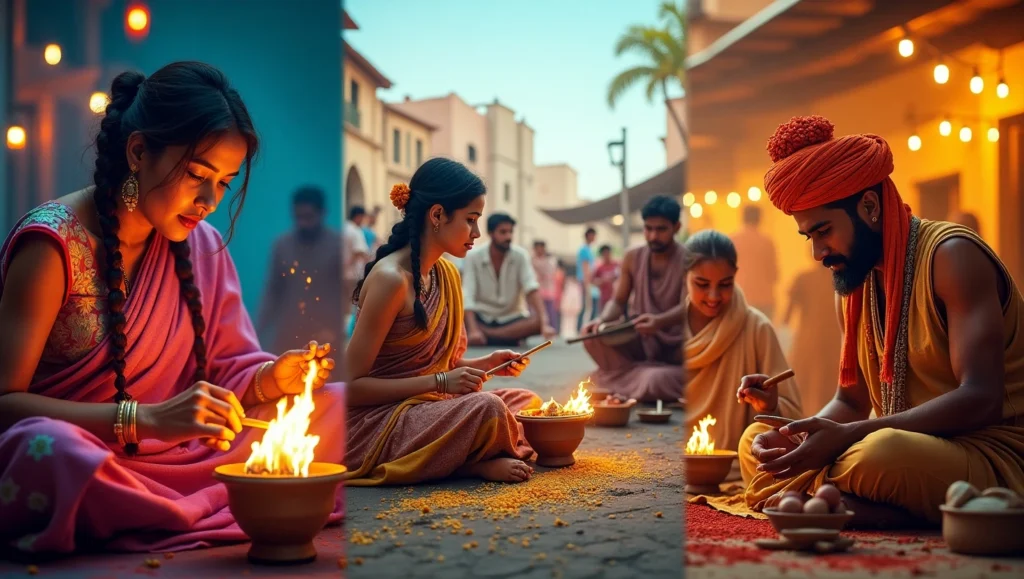
Cultural Experiences: Exploring the Heart of Humanity
In today’s fast-paced, globalized world, cultural experiences help us slow down and connect with people, traditions, and lifestyles different from our own. Whether you’re traveling abroad or attending a local festival, these moments offer insight into what makes each community unique—and beautiful.
What Are Cultural Experiences?
“What are cultural experiences?”
Cultural experiences are interactions, events, or practices that allow you to learn about or engage with another culture’s values, beliefs, arts, and way of life.
These moments go beyond sightseeing. In fact, they are about participating, understanding, and connecting.
🔹 Examples include:
- Learning to cook local dishes in Italy
- Attending a traditional tea ceremony in Japan
- Participating in a tribal dance in Africa
- Observing a religious ritual in India
- Visiting indigenous communities in the Amazon
To dive deeper into such traditions, explore UNESCO’s Intangible Cultural Heritage list.
Why Cultural Experiences Matter
Cultural activities go beyond simple entertainment. Rather, they help you:
- Understand different worldviews
- Build empathy and reduce bias
- Appreciate heritage and traditions
- Connect beyond language
As a result, they create memories with meaning and often lead to personal transformation.
What Are Some Examples of Cultural Activities?
“What are some examples of cultural activities?”
Cultural activities vary widely depending on the region. However, here are some of the most common types enjoyed by travelers and locals alike:
🎭 Arts & Performances
- Watching Flamenco in Spain
- Opera in Vienna
- Kabuki theatre in Japan
To explore even more rare and unusual traditions, check out Atlas Obscura, a site known for unique cultural discoveries.
🍽️ Food & Culinary Traditions
- Street food tours in Thailand
- Wine tasting in France
- Cooking classes in Morocco
Moreover, food often acts as a gateway to understanding a region’s history and social fabric.
🧵 Crafts & Heritage
- Pottery making in Turkey
- Weaving with Mayan artisans in Guatemala
- Tattoo rituals in Polynesia
These activities not only preserve ancient skills but also empower local economies.
🏮 Festivals & Celebrations
- Diwali in India
- Day of the Dead in Mexico
- Chinese New Year in China
Importantly, these celebrations offer windows into a culture’s soul.
🕌 Spiritual & Religious Experiences
- Visiting temples in Cambodia
- Buddhist meditation retreats in Nepal
- Church choirs in African villages
Spiritual settings often reveal the deepest layers of a community’s identity.
Global Destinations Known for Rich Cultural Experiences
| Country | Highlight Cultural Experiences |
|---|---|
| Japan | Tea ceremonies, sumo matches, shrines, calligraphy |
| India | Spiritual pilgrimages, vibrant festivals, classical dance |
| Mexico | Day of the Dead, mariachi music, indigenous cuisine |
| Morocco | Spice markets, hammams, Berber music |
| Italy | Art history tours, family-run cooking classes, opera |
| Thailand | Temple visits, street food tours, Thai massage schools |
These places offer authentic and immersive experiences, ideal for travelers seeking more than surface-level tourism.
What Is an Example of a Cultural Culture?
“What is an example of a cultural culture?”
This question refers to a subgroup within a culture that maintains unique traditions or ways of life. For instance:
- The Sami people in Northern Europe: Indigenous reindeer herders with unique clothing and music
- The Māori in New Zealand: Known for the haka dance and intricate tattoos
- The Berbers in North Africa: Mountain communities with distinct crafts and language
If you’re passionate about cultural preservation, visit Cultural Survival for stories and advocacy efforts worldwide.
What Are the 10 Cultural Values and Examples?
“What are the 10 cultural values and examples?”
Understanding cultural values is essential to engaging with others in meaningful and respectful ways.
| Cultural Value | Example |
|---|---|
| Respect for elders | Greeting elders first in East Asian cultures |
| Community | Sharing meals and decisions in African villages |
| Spirituality | Morning prayers in Hindu households |
| Hospitality | Arab cultures offering food/drink to guests |
| Modesty | Dress codes in Islamic traditions |
| Individualism | Western emphasis on personal goals and expression |
| Harmony with nature | Indigenous practices in the Amazon and Andean regions |
| Education | High academic respect in South Korean culture |
| Time perception | Flexible time in Latin America vs. punctuality in Germany |
| Art & storytelling | Oral history in Aboriginal Australian culture |
How to Participate in Cultural Experiences Respectfully
Before you immerse yourself in another culture, consider the following respectful practices:
- Research before visiting (customs, dress, language)
- Ask permission before photos
- Support local artisans and guides
- Learn a few words in the local language
- Be open-minded, not judgmental
Culture is not a performance for tourists—it’s someone’s identity. Therefore, engage with curiosity and respect.
The Power of Cultural Experiences in Modern Travel
In the age of fast-paced tourism, cultural experiences offer something deeper: connection.
They’re about listening to ancient stories, tasting centuries-old recipes, and dancing to rhythms passed down through generations. Additionally, these moments stay with us long after we return home.
So next time you travel, go beyond the itinerary. Attend a ritual. Taste a home-cooked meal. Listen to a village elder.
You’ll return not just with memories—but with meaning.